Ka’ana Resort — The Art of Doing More With What You Have
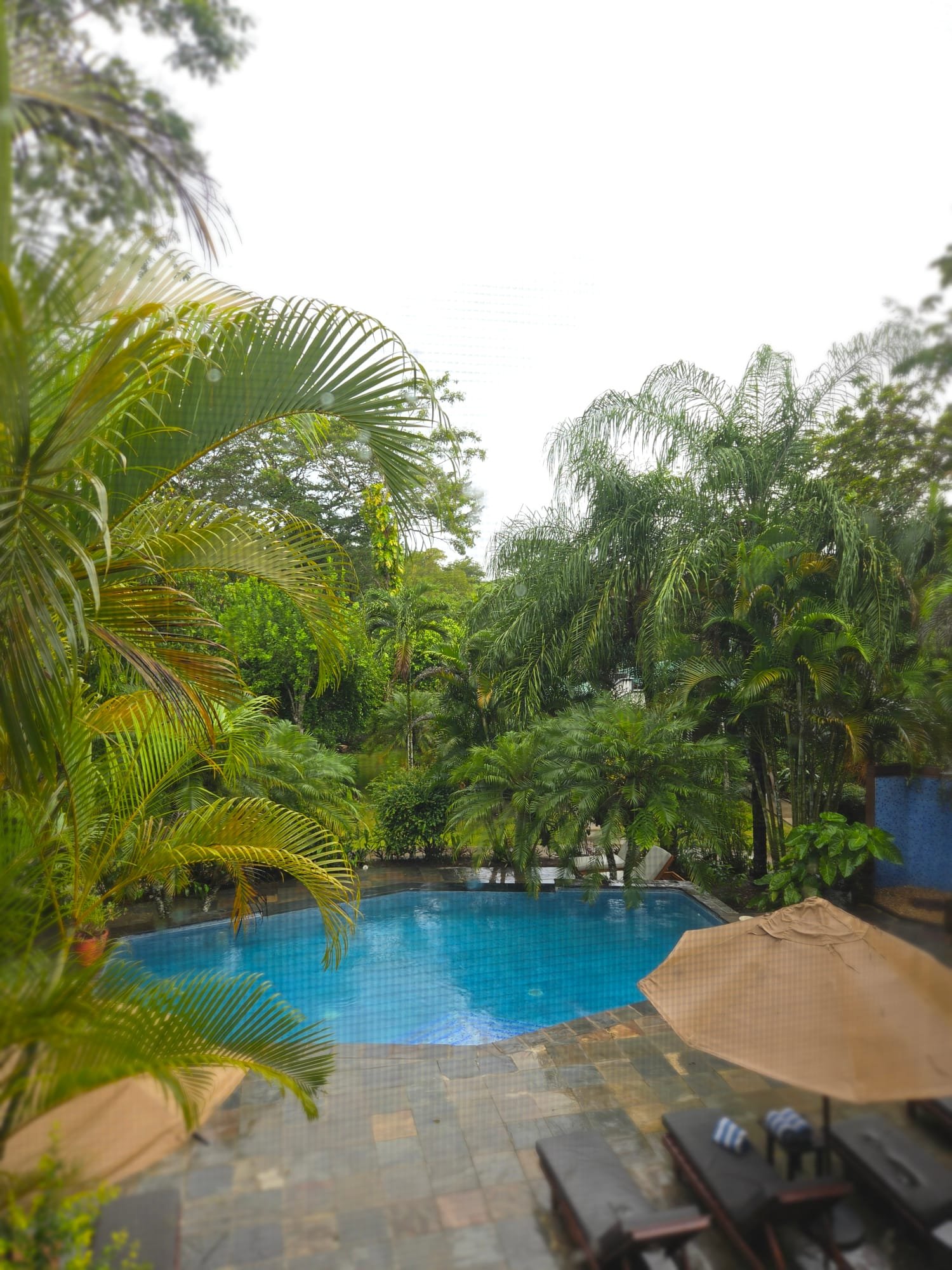
The second hotel we stayed at was Ka’ana Resort, and this resort was jungle-adjacent. It had the look and feel of a jungle, and there was something about being surrounded by so much nature that made the entire experience feel intentional. This was where we danced under the stars and had marshmallows by the fire. It was magical.
But beyond the beauty, Ka’ana taught me something about how we approach our gifts, our work, and the resources we have been given.
I am going to share four lessons this beautiful jungle resort taught me.
1. Don't Waste What You Have
One of the first things I noticed was that they wasted nothing.
They had a garden, but the garden wasn't simply something beautiful to look at. It had multiple functions. There was a garden experience for guests, and the food grown in that garden made its way onto our breakfast, lunch, and dinner tables.
Even the flowers throughout the resort served another purpose. Flowers that could have simply been decoration became part of our table decor.
Sometimes we limit ourselves to the one thing we think we are "supposed" to do.
We might be a great speaker, but we don't recognize that the same gift can make us a great facilitator, trainer, coach, mentor, or storyteller.
We might be organized, but we only see ourselves as someone who can manage a calendar when that same skill can translate into project management, operations, event planning, or strategic execution.
We might be creative, but we limit creativity to art when creativity can show up in problem-solving, leadership, communication, innovation, and strategy.
Sometimes we waste our gifts because we haven't taken the time to understand all the ways they can serve.
Ka’ana reminded me that multipurpose doesn't equate to scattered.
2. Cross-Train Yourself and Your Team
Another thing I noticed was that many of the team members were cross-trained.
They had primary responsibilities, but they weren't limited to them. They were knowledgeable and capable in other areas as well. Many times we have the mindset that something that isn't in our area isn’t our responsibility, but we should be aware.
Their workload didn't prevent them from being present.
They didn't allow their busy schedules to stop them from acknowledging us. We Do. They smiled. We Do. They said hello. We Don’t. They recognized us when we walked by. We Don’t.
In a corporate environment, cross-training means employees are trained to perform responsibilities outside of their primary role. The goal isn't to make everyone responsible for everything. It's to create flexibility, strengthen knowledge, reduce dependency on one person, and provide continuity when someone is unavailable.
And that matters.
What happens when the person who knows how to do "that one thing" goes on vacation?
What happens when they leave the organization?
What happens when they are sick, promoted, or simply overwhelmed?
Cross-training creates business continuity.
But I think there is another benefit we don't talk about enough: cross-training can create better experiences.
When people understand how different parts of the organization work, they can serve customers, clients, colleagues, and stakeholders more effectively.
You don't have to know how to do everyone's job.
But you should understand enough about the ecosystem around you to know how your work connects to theirs.
3. Small Team. Big Impact.
That reminded me that it isn't always about the number of people on the team. Sometimes it's about what the team has been equipped to do.
Efficiency. Excellence. Execution.
Those three words came to mind as I watched the team operate.
Efficiency asks: How can we do this well without wasting time, energy, or resources?
Excellence asks: How can we do this at a high standard?
Execution asks: Can we actually deliver what we planned?
You can have a large team and still struggle with all three.
You can have a small team and excel at all three.
The difference often comes down to systems, processes, communication, training, and clarity.
We sometimes respond to organizational challenges by asking, "Do we need more people?"
Sometimes the answer is yes.
But sometimes the better question is:
"Do we need better systems?"
Before adding another person, perhaps we need to examine the process.
Before adding another meeting, perhaps we need better communication.
Before adding another layer of approval, perhaps we need clearer accountability.
Before asking people to work harder, perhaps we need to make sure we have equipped them to work smarter.
Peak performance isn't always about having more hands. Sometimes it's about making sure the hands you have are equipped.
4. Leverage Technology Without Losing the Human Touch
The fourth lesson was one of my absolute favorites.
Ka’ana demonstrated what it looks like to leverage technology without losing touch.
They didn't rely so heavily on their systems that the systems became the experience.
Instead, technology seemed to support the work happening behind the scenes while the people remained present in the experience.
And isn't that the balance we are all trying to find in today's workplace?
AI.
Automation.
Scheduling.
Digital tools.
Dashboards.
LMS platforms.
Data.
All of these things can make our work more efficient, but efficiency should create more room for people—not less interaction with people.
The goal of technology shouldn't be to eliminate the human experience.
It should be to eliminate unnecessary work so we can spend more time doing the work that actually requires us to be human.
Let technology handle the repetitive.
Let automation handle the predictable.
Let systems organize the information.
Let AI help us brainstorm, analyze, summarize, and accelerate.
But let people build relationships.
Technology should support the experience, not become the experience.
What Ka’ana Taught Me
Ka’ana Resort was beautiful, but what stood out to me wasn't just the jungle, the stars, the fire, or the marshmallows.
It was the intentionality.
They didn't waste what they had.
They developed people beyond one role.
They created systems that allowed a small team to have a significant impact.
And they leveraged technology without sacrificing human connection.